

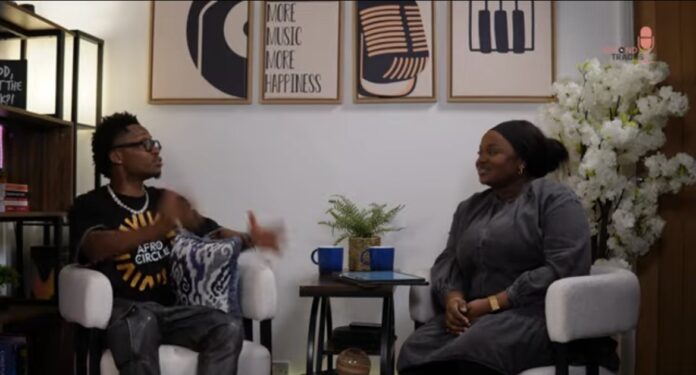

DJ Holy is more than just a name on flyers for events in Birmingham’s growing Afrobeats scene. He is a businessman, cultural curator, and mentor who has seen the genre’s explosive growth in the UK and helped shape it.
Starting from scratch: The years of apprenticeship
While today’s aspiring DJs learn from YouTube tutorials, he got his start by working as an apprentice, where he learned how to read rooms, adjust to different crowds, and be flexible enough to play at weddings, clubs, and festivals.
“YouTube can teach you the technical stuff, but it can’t teach you how to feel the energy in a room,” he says. “That only comes from doing it.”
That hard start made him more determined to help the next generation. “I remember how hard it was to get my foot in the door.” I won’t be the one to shut it behind me.
2012: The Year That Changed Everything

When you ask DJ Holy about the turning point for Afrobeats in the UK, he doesn’t hesitate: “D’banj’s ‘Oliver Twist’ in 2012.” That was the time. The song turned Afrobeats from a small community genre into a huge hit, opening doors that had been closed for years.
DJ Holy thinks that the UK music scene is more real than other international markets. “We’re not just closer to home in terms of distance; we’re also closer to home in terms of spirit. We aren’t trying to fit it into anything else; we’re letting it be what it is.
The Role of the Tastemaker
“I’m not just a DJ who plays songs that are already popular. He says, “I’m a curator, a tastemaker.” He calls this “The Holy Sound,” which is a spiritual and intentional way of doing things that puts real passion ahead of algorithms. “I only play what I really believe in, and every set is a journey.”

The Truth About Business That UK DJs Need to Know
DJ Holy gets really worked up when he talks about how UK DJs don’t value themselves enough. “Too many DJs are doing gigs for free, accepting drinks as payment, or doing gigs for ‘exposure.’ And instead of building their own brands, they are waiting for famous artists to give them credit.
He says it straight out: know your worth. “At a wedding, you’re not just there to entertain the guests; you’re the one who makes or breaks the event. You are just as important as the place itself. Set your prices accordingly.”
DJs who take low pay aren’t just hurting themselves; they’re also hurting the whole profession. “We need to stop chasing clout from big artist events. Make a name for yourself.
Beyond the Decks: Making a Legacy
DJ Holy’s business sense goes beyond music. He owns a real African restaurant in Birmingham and started AfroCircle, which is a group that brings together DJ education, community events, and music promotion.
He says, “Afro Circle is about building infrastructure, making the support system I wish I had when I was growing up.” The group shows that he cares more about the success of the whole than just his own.
“The hustle isn’t glamorous,” he says. “It’s working for a year or more for free to learn the right way.” It’s putting money into your craft even when you don’t see results right away. But just working hard isn’t enough; you also need to be able to think strategically and know how to run a business.
What does he tell people who want to be DJs? “Learn how to do the job right. Don’t just make a playlist; make a brand. Know how much you’re worth and don’t work for free unless it’s part of a plan. Find your own voice. And don’t forget that this is a community. “Help others and make chances for people who come after you.”
He says, “Stop waiting for permission or co-signs.” Make yourself undeniable by building your own platform.
The Journey Goes On
“There are chances out there. The Afrobeats wave is still going up. “But you have to put in the work, ask for what you’re worth, and stay true to the culture,” he says. “Do that, and not only will you make it, but you’ll also make a difference.”