


With billions of streams globally, Afrobeats continues to dominate the music industry, but Nigerian musicians face a harsh reality: streams don’t always translate into equal money.
The Penalty of Geography
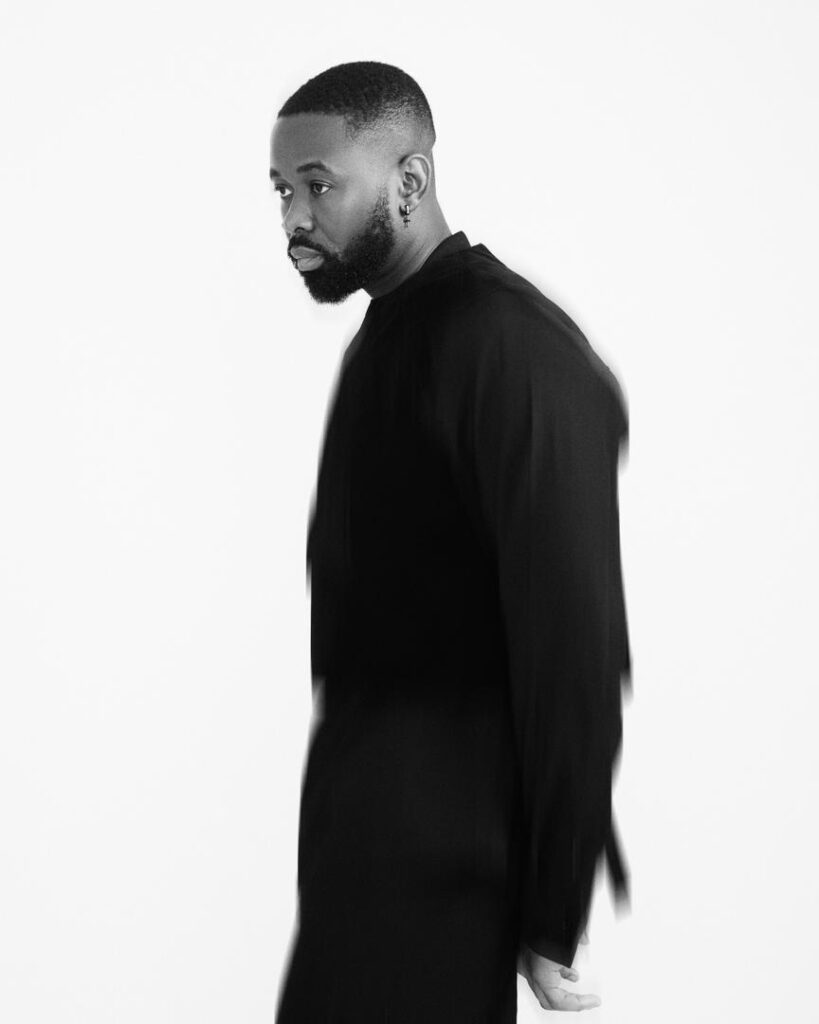
In early 2026, producer Sarz brought attention to this discrepancy, claiming that a million streams from the United States bring in between $3,000 and $5,000, whilst a million streams from Nigeria only bring in between $300 and $500. In a similar vein, Tems’ manager Muyiwa Awoniyi disclosed that a million Nigerian streams are worth about $300, while Swedish listeners can get up to $10,000.
Compared to listeners in the United States and the United Kingdom, Nigerian musicians receive compensation that is up to 90% less for local streaming. Subscription pricing disparities are the cause of this striking disparity.
In Nigeria, Spotify Premium costs about ₦1,300 (less than $1) a month, but in the US, it costs $12.99. Lower subscription rates directly result in lower per-stream rewards because streaming companies employ a pro-rata payment mechanism based on subscription revenue.
Platform-by-Platform Analysis
Nigerian streams are paid for at different prices by different sites. Spotify is the most popular but not the highest-paying service, paying between $300 and $500 per million local streams. At $800–$1,500 per million streams worldwide, Apple Music offers better prices. Boomplay, the biggest streaming service in Africa in terms of users, pays between $150 and $400 per million streams, however it has been criticized for its payment delays. Audiomack and YouTube Music cost between $200 and $600, while ad-supported content costs much less.
These numbers show gross payments before publishing splits, taxes, and distributor cuts (artists normally keep 30–70% as independents). After deductions, a mid-tier artist with one million local streams per month might only make between $150 and $250.
Growth of the Industry versus Individual Earnings
The Nigerian music industry is growing remarkably in spite of personal obstacles. In 2024, Nigerian musicians received over ₦58 billion in royalties from Spotify alone, more than doubling their earnings from 2023. Revenues from recorded music in Sub-Saharan Africa exceeded $110 million in 2024, an increase of 22.6% from the previous year.
But the reality for individual artists is concealed by these striking numbers. To make ₦1 million from Spotify, an artist requires about 2-3 million Nigerian streams per month. Basic living expenditures are rarely met by streaming revenue alone for up-and-coming musicians with mostly local fans.
The Method of Survival
Astute Nigerian musicians are adjusting by expanding their sources of income. Most musicians still make between 65 and 70 percent of their money from live performances. Concerts and tours around Europe, the United States, and Africa continue to be a significant source of income, but platforms like Spotify, Apple Music, Boomplay, and Audiomack pay per stream, producing steady passive income.
Because 40–60% of their streams come from foreign markets with larger rewards, top musicians like Wizkid, Burna Boy, Davido, and Asake thrive. Davido’s Timeless album brought in almost $2.76 million from key platforms in its first three months, while Wizkid became Africa’s top Spotify earner in January 2025 with $1 million per month.
These celebrities also command enormous performance fees and lucrative brand endorsements that far outweigh their streaming income, proving that while streaming creates celebrity, smart business and global reach provide wealth.
Looking Ahead
Global reach and astute commercial approach are necessary for Nigerian musicians to achieve streaming profitability. Successful musicians strive for placement on international playlists, use TikTok for virality, appropriately collect publication fees, and seek out sync agreements and brand collaborations. Local streams by themselves won’t make money until more Nigerians subscribe at higher tiers or foreign listenership keeps expanding, but they do create the notoriety needed for everything else.