



For years, a question has been going around Nigerian music Twitter, whispered in record label offices, and yelled in late-night fights: are the charts real?
A TikTok video went viral in May 2022. A masked operator walked the camera through rows of hundreds of phones that were stacked and running, all of which were playing music on a loop. The video was shot in what looked like an apartment in New York City. The operator said that his clients were well-known artists and A&Rs from major labels. He said that 100,000 streams would cost $1,500.
Hypebot, a music industry magazine that published the clip, said that while it couldn’t be independently verified that it was real, several industry sources said that the setup was exactly how streaming farms work in the U.S., China, and other places. There was no name of a label or artist on the record. No one was charged. But the video made something that was once abstract suddenly very real.
That same year in Nigeria, Bnxn described almost the same thing happening when he was fighting with Ruger: “A room where your label bosses pay money to get your songs up by automation, no real fans, no real people, just a facade.” One conversation across two continents.
The Match That Started the Fire
Joey Akan, a music journalist, confirmed what many people already thought: The Apple Music Top 100 in Nigeria had turned into “a marketing tool for musicians, not an independent curation of the the country’s listening habits.”
Blaqbonez.” The Most Annoying Alarm
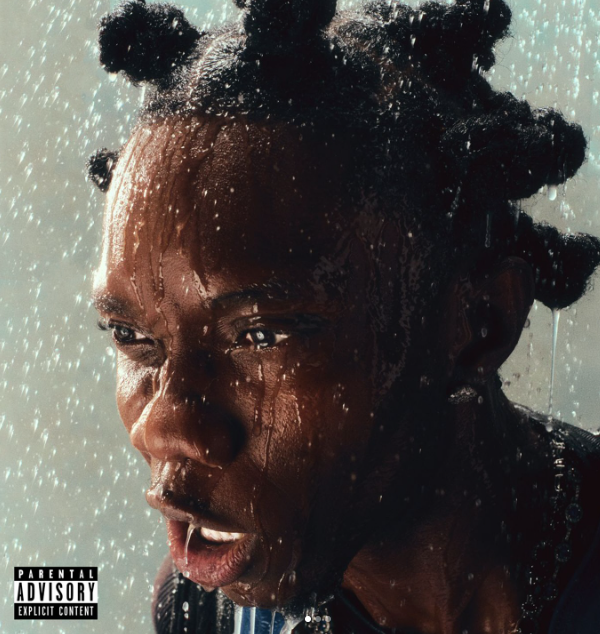
Blaqbonez has done more than anyone else to push this issue. He warned in 2025 that “irreversible damage” would be done to the industry, comparing inflated charts to the time when American labels were caught buying their own tracks in bulk to rig sales rankings.
His main point is that the positions on the charts in Afrobeats are more and more based on who can afford to buy them than on who is actually listening to them.
Fans ironically point the same finger at him when his own songs do well. According to my research, No deductions from his stream numbers
The Spotify Deductions: Only Facts That Are True
Spotify has been doing rolling stream audits all over the world since 2025. Many Nigerian artists lost a lot of music from their catalogs. Davido’s losses were some of the most well-known, with tens of millions of streams lost.
Burna Boy’s catalog lost about 300 million streams in February 2026, which led to viral claims that he had been caught farming.
But those claims have not been proven. Spotify did not make any accusations against any artists. Independent analytics platforms didn’t find any bot activity that was linked to him.
TELL Magazine’s fact-check said that the story about him farming was not true. Spotify’s own rollout admitted that innocent artists can get caught up in fraud detection.
This can happen when third parties make fake streams of an artist’s catalog without their knowledge.
When charts can be bought, real artists lose exposure, algorithms lead real listeners astray, and labels make investment choices based on fake audiences.
Odumodublvck made it clear what would happen in the real world: artists who top the charts but can’t fill a venue.
Spotify is making its systems more secure. But the scene needs to answer the harder question for itself: what does a chart position really mean, and what’s going to happen when the truth comes out?.